QA Process For PMs
📥 Click here to download or play the video
What is QA?
Quality Assurance (QA) is a collaborative effort that ensures we deliver a product that meets partner expectations, works reliably, and is ready for real-world use. It is not just about testing, but building confidence in the product together with the partner.
This document outlines your role in the QA process. While our QA team leads the testing efforts, your input and feedback at key stages is required for the successful delivery of projects
Purpose & Benefits
Quality
We identify and fix bugs early, and validate our work against requirements with the partner, often.
Shared Accountability
We tie partner validations to our deliverables and payments.
Timeline & Budget Control
We do not move backwards, i.e. what is done is done.
Shared Confidence
The process is transparent and collaborative.
Our Software Delivery Process, In A Nutshell
To ensure clarity, transparency, and quality throughout our collaboration, we follow a simple but structured three-stage approach:
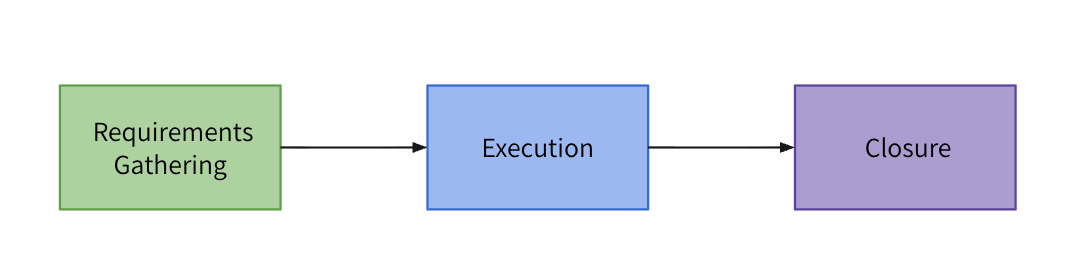
Requirements Gathering
The Requirements Gathering phase lays the foundation for the project. Together with you, we define the problem we’re solving, agree on objectives, and align on what success looks like.
This includes:
-
-
Understanding your needs and expectations of the partner
-
Defining project goals, timelines, and deliverables
-
Defining key features, functionalities, and priorities
-
Agreeing on a plan for development, testing, and validation
-
This phase ensures everyone is aligned before work begins, reducing the risk of misunderstandings or scope creep later on.
Execution
This is the main development phase. Based on the scope we’ve defined, we design, build, and test the solution in iterative cycles (referred to as sprints).
During this phase:
-
-
You’ll see working software regularly and have the chance to provide feedback
-
Our internal QA team tests each feature before it’s shared with you
-
You’ll be invited to validate deliverables through a client-facing QA process (via TestLodge)
-
This collaborative approach ensures continuous alignment and allows us to address issues early.
Closure
The Closure phase wraps up the project. This is where we:
-
-
Conduct final validations and User Acceptance Testing (UAT)
-
Finalise documentation, provide training (if needed), and prepare for handover
-
Close out any remaining tasks and reflect on lessons learned
-
Once everything is confirmed, the project is formally closed. Any remaining contractual obligations are also completed.
This structured approach gives you full visibility and control, while ensuring we deliver high-quality results that meet your expectations.
Here’s how it plays out in practice: from scoping and writing user stories, through test plans and test runs, to bug reporting, approvals, and final closure
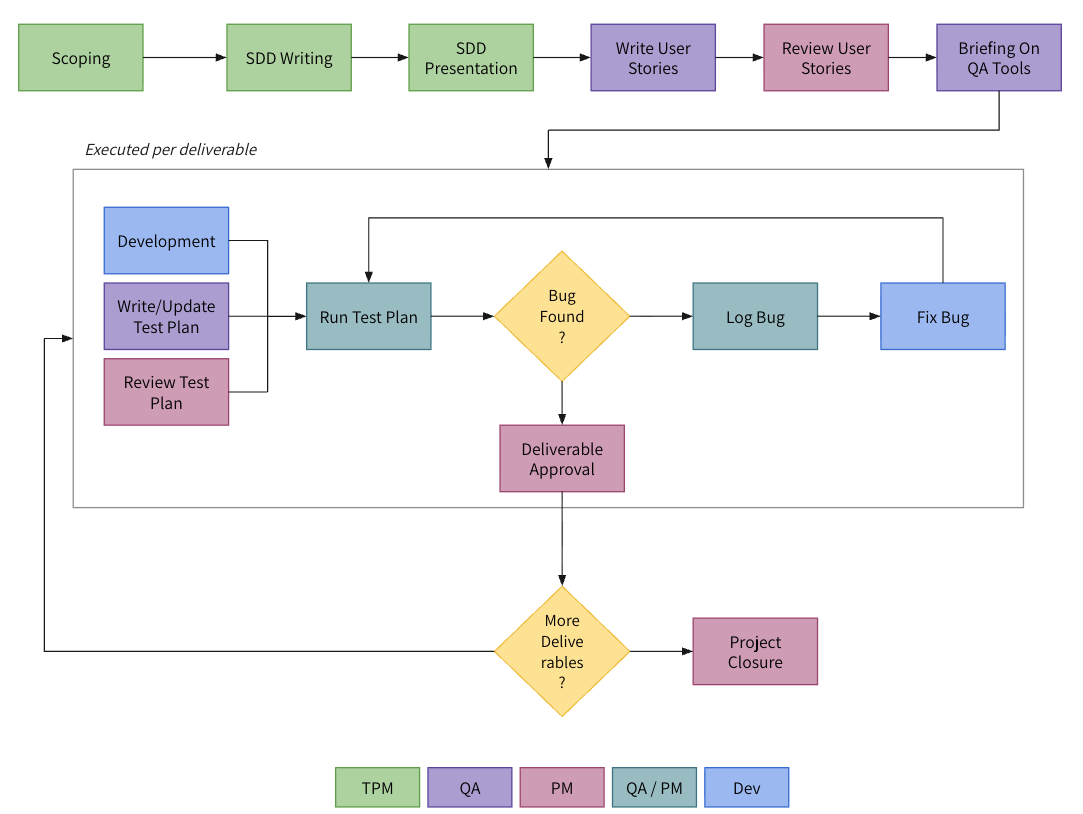
NB: TPM, QA, PM, and Dev all work together, with the PM often representing the partner’s perspective.
PMs Interactions
-
Scoping: Collaborate with the TPM to define project goals, features, and priorities your input shapes the entire build.
-
SDD Presentation: We’ll walk you through the System Design Document to align on functionality and clarify anything that may affect testing.
-
Write User Stories: Answer questions from the QA team to support them in writing relevant user stories.
-
Review User Stories: Review and confirm that user stories align with partner expectations, planned features, and flag anything unclear or missing for final adjustment
-
Briefing On QA Tools: We’ll guide you through TestLodge so you can easily access test cases and report issues—no technical skills needed.
-
Review Test Plan: We share a test plan for each deliverable so you can see what we're testing, how, and why — and suggest additions if needed.
-
Run Test Plan: Once the feature is ready, we’ll invite you to test it, either with us or on your own. We’ll guide you to ensure everything meets your expectations.
-
Log Bug: Found an issue? Let us know via TestLodge or together with us. Clear steps and screenshots help us resolve it faster.
-
Deliverable Approval: After testing and fixes, you’ll review and confirm the deliverable is working as expected and ready to proceed.
-
Project Closure: Once everything is approved, we’ll do a final review with you and formally close the project.
Partner Interactions
From an internal perspective, the PM represents the partner. Consequently, whenever the PM is involved for an internal step, that same step can be executed by the partner, representing the external perspective.
Testlodge
Tool used to support manual Quality Assurance (QA) processes. It allows teams to create, manage, and execute test cases.
We use TestLodge for:
-
-
Write and organise test cases based on project requirements and features
-
Run tests during development sprints and UAT phases
-
Collaborate with clients, who can view or contribute to test progress
-
Log and track issues through integration with Asana
-
TestLodge ensures transparency, traceability, and structured QA practices for internal teams and clients.
See a TestLodge demo in the video above (starting at 05:17).
Summary
-
This document walked you through the QA process and your essential role in it.
-
We have explored how QA ensures the quality, reliability, and readiness of what we build while also offering structure and confidence at every stage.
-
From defining requirements together, to validating deliverables using TestLodge, your involvement helps us stay aligned and catch issues early.
-
The process is designed to be collaborative, transparent, and supportive so you can be confident in every step of the journey, right up to final project approval and closure.